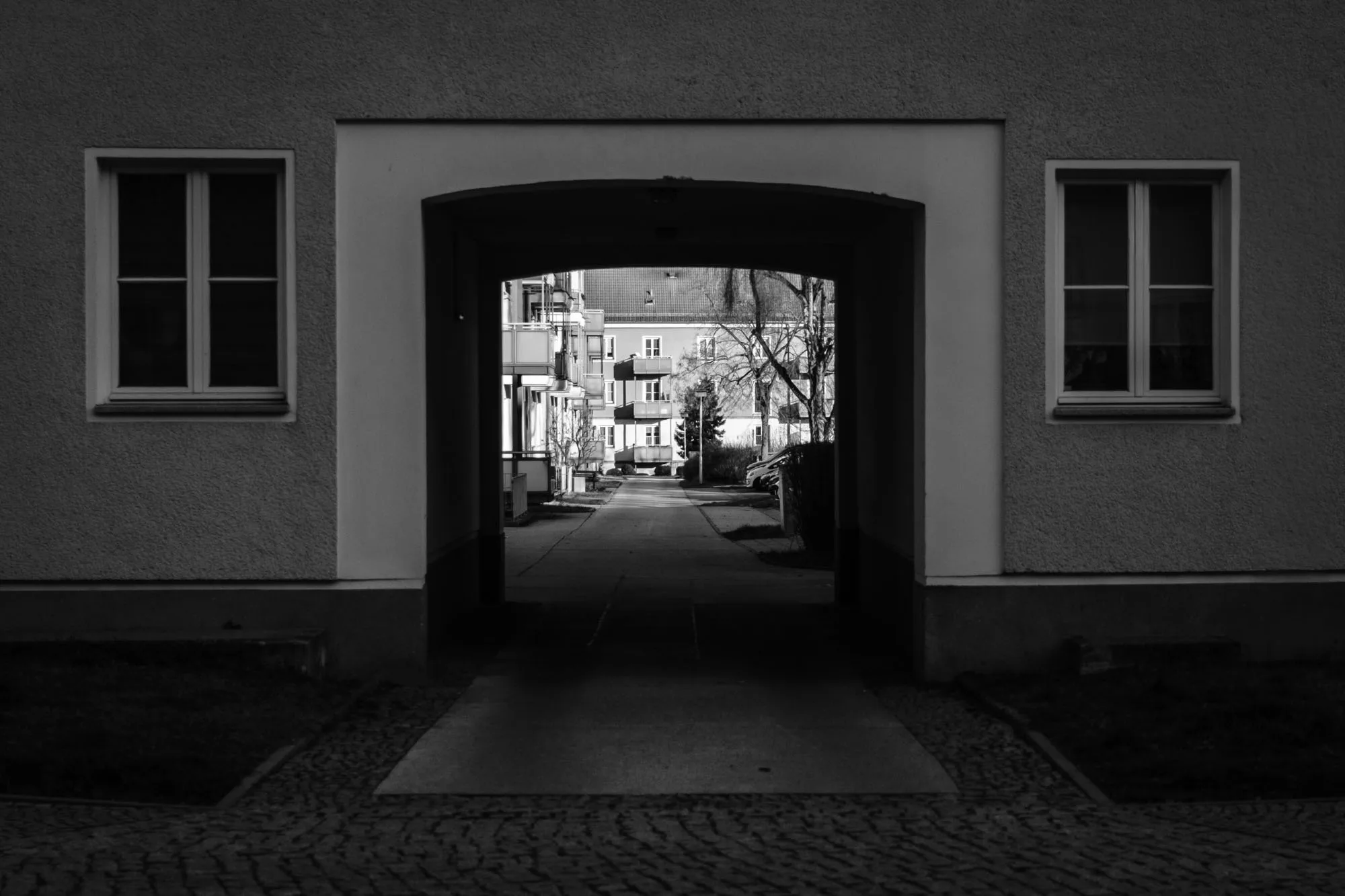
Eisenhüttenstadt is a town in eastern Brandenburg, Germany, located on the Oder River near the Polish border. It was founded in 1950 and holds a unique place in German history as the country’s first fully planned socialist city. The town was built to support the nearby Eisenhüttenkombinat Ost, a major steelworks that shaped both its economy and identity.
Originally named Stalinstadt, the city was intended as a model for socialist urban life. In 1961, during de-Stalinization, it was renamed Eisenhüttenstadt, meaning “ironworks city.” Its early development followed strict planning principles, emphasizing order, symmetry, and communal living rather than organic growth.
The central districts are known for their socialist classicist architecture. Wide streets, carefully proportioned apartment blocks, decorative reliefs, and public squares were designed to convey dignity and social harmony. Much of this historic core is now protected as a monument ensemble, making the city an important reference point for studying GDR-era urban design.
Today, Eisenhüttenstadt is smaller and quieter than originally envisioned. While heavy industry still plays a role, the city is surrounded by forests and lakes, and the Oder River defines its landscape. The result is a place where industrial history, planned architecture, and a surprisingly green environment coexist.


Leave a Reply