Architecture
-
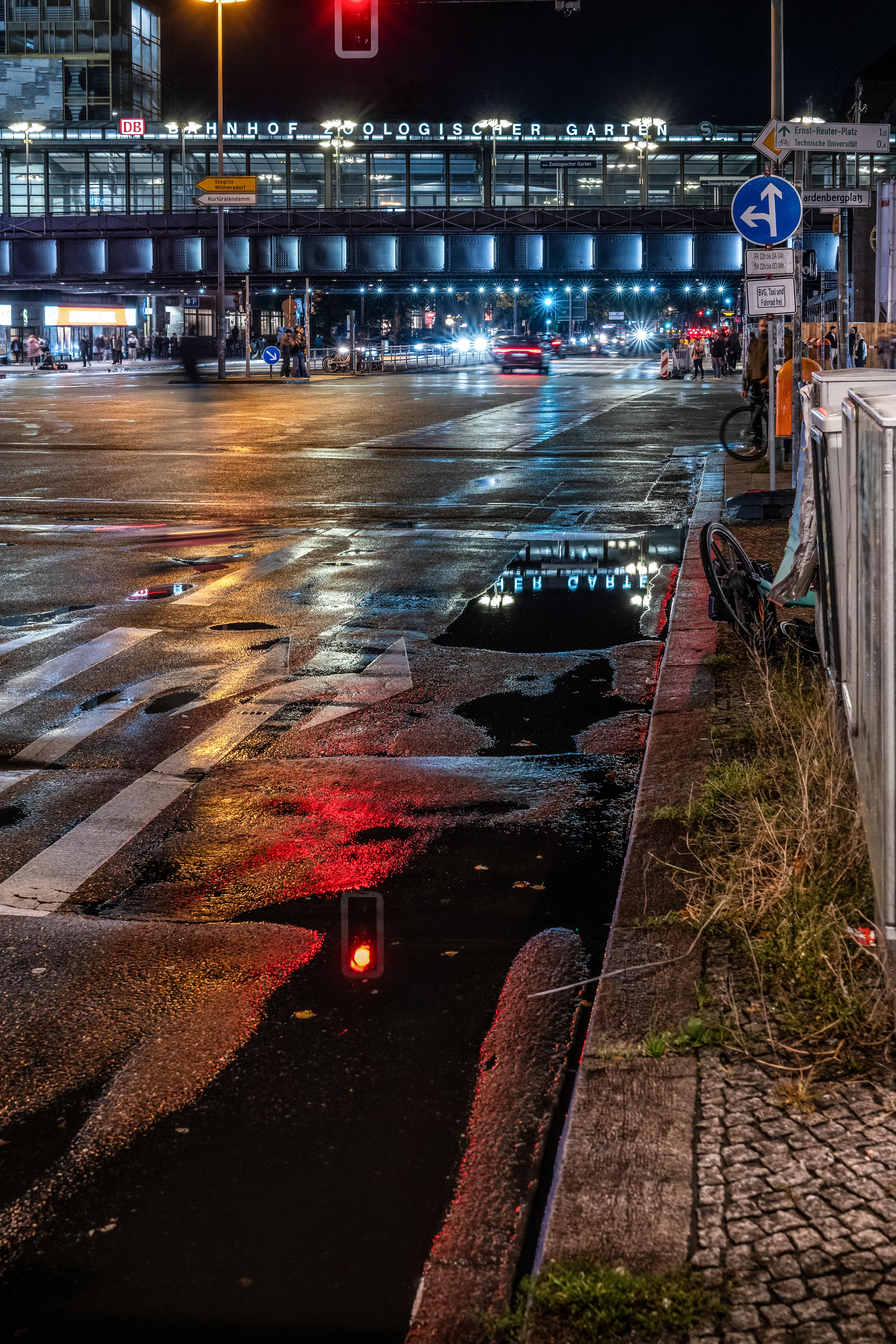
A rainy evening in Berlin, where wet pavements, glowing shopfronts and passing traffic transform the city into a vivid study of light, colour and urban movement. Moving through the streets, the camera takes in reflections of red brake lights on the asphalt, pedestrians beneath leafy trees, illuminated advertising displays and the warm interiors of cafés…
-
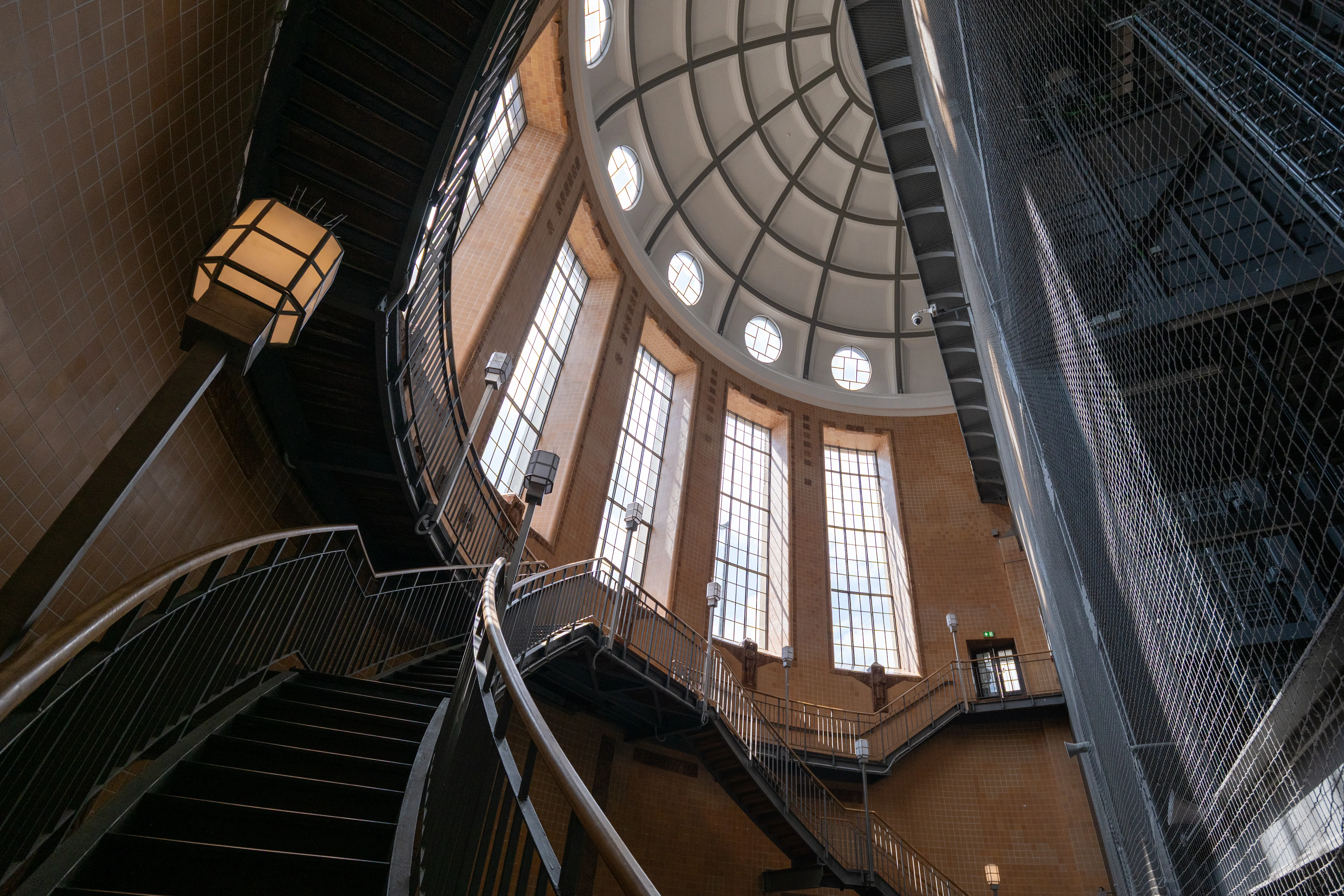
The Alter Elbtunnel (Old Elbe Tunnel), officially known as the St. Pauli Elbtunnel, is one of Hamburg’s most remarkable engineering landmarks. Opened in 1911, it was built to provide dockworkers with a safe and direct route beneath the River Elbe between the St. Pauli Landungsbrücken and the harbour district of Steinwerder. At the time, it…
-
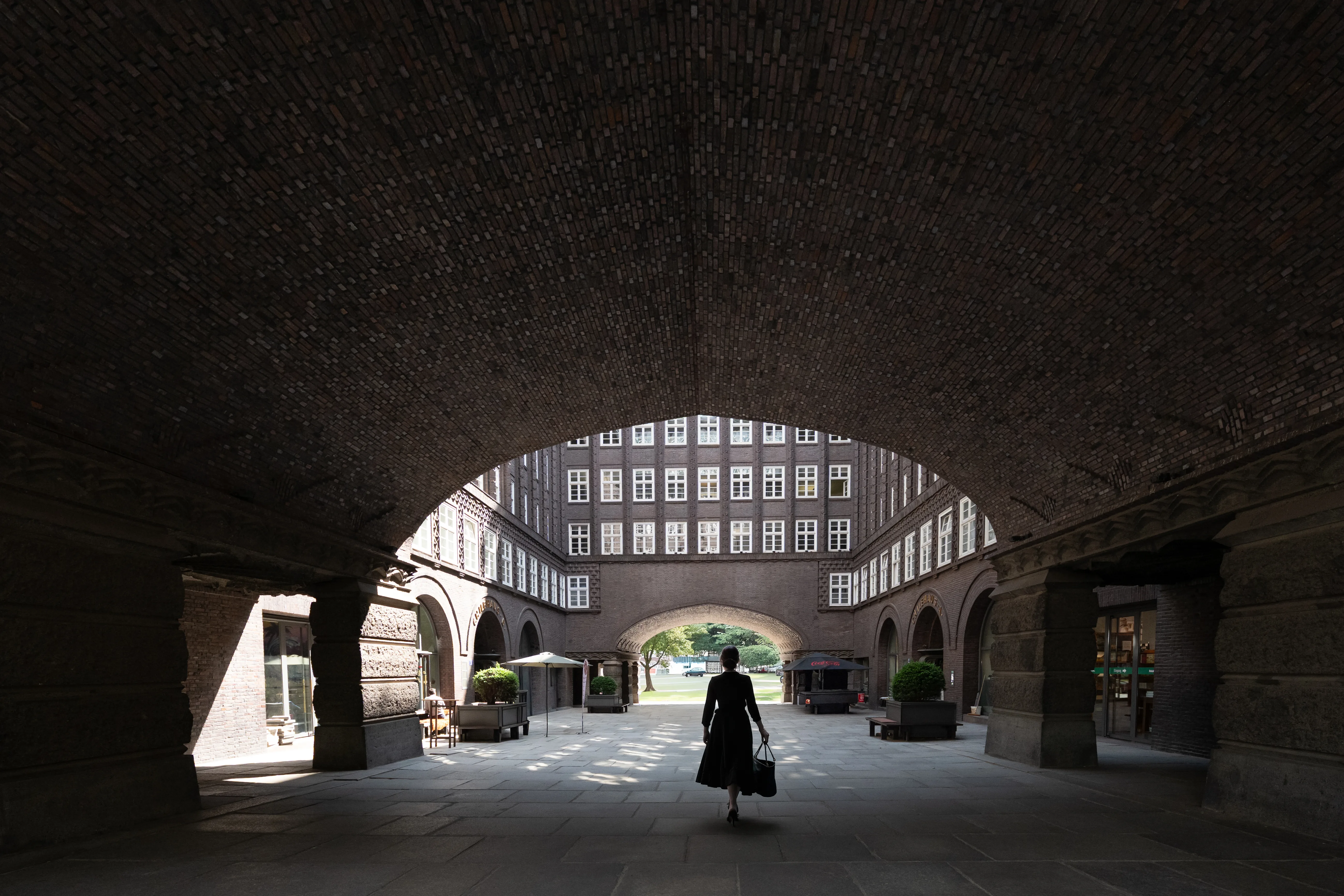
The Chilehaus is one of Germany’s most celebrated examples of Brick Expressionist architecture. Located in Hamburg’s historic Kontorhaus District, it was designed by architect Fritz Höger and completed in 1924. Together with the nearby Speicherstadt warehouse district, it became a UNESCO World Heritage Site in 2015.
-
The Speicherstadt in Hamburg is the world’s largest historic warehouse district and one of Germany’s most iconic architectural landmarks. Built between 1883 and 1927 on thousands of oak piles driven into the marshy ground, it was created as part of Hamburg’s free port, allowing goods such as coffee, tea, spices, carpets, and cocoa to be…
-
Beelitz-Heilstätten is one of Germany’s most remarkable historic hospital complexes, located about 50 km southwest of Berlin in Brandenburg. Built between 1898 and 1930 as a tuberculosis sanatorium for Berlin’s workers, it eventually grew into a vast complex of around 60 buildings spread across 200 hectares. The campus was designed as a self-contained medical town,…
-
The Liverpool Metropolitan Cathedral, formally known as the Cathedral Church of Christ the King, is one of the most striking modern churches in the United Kingdom. Located in the heart of Liverpool, it serves as the seat of the Roman Catholic Archbishop of Liverpool. Its dramatic circular design and towering lantern-shaped crown have earned it…
-
The city of York in the north of the United kingdom is a time capsule of that shows the layers of Britains rich history. York has been continuously inhabited for nearly two millennia. It later flourished under Viking rule as Jorvik, leaving behind a rich Norse imprint that still echoes in its streets and culture.…
-
Whitby is a historic seaside town on the northeast coast of England, famous for its dramatic cliffs, fishing heritage, and Gothic atmosphere. The town grew around a natural harbour where the River Esk meets the North Sea, and for centuries Whitby depended on fishing, shipbuilding, and trade. Narrow streets, old cottages, and winding alleys climb…
-
The last time I walked down Belfast’s Falls Road, I encountered a world of chaos. Rows of houses burned from rioting and violence, lined the streets. Ever-present RUC vans drove constant circuits, and a deep-seated hostility hung over the streets and people of this battleground of the Troubles in Belfast. More than three decades later,…
-
Perched on a cliff above the North Sea in Whitby, Whitby Abbey is one of England’s most striking historic landmarks. It was founded in 657 by St Hilda of Whitby as a monastery that became an important religious and cultural center during the Anglo-Saxon period. The abbey is especially known for hosting the Synod of…
-
The National Railway Museum in York is one of the world’s largest museums devoted to rail transport, located just a short walk from York railway station. With free entry, it tells the story of over 300 years of railway history, unfolding across vast exhibition halls filled with everything from early steam engines to sleek modern…
-
The York Minster is one of the largest and most magnificent Gothic cathedrals in Northern Europe, dominating the skyline of York with its towering presence. Its history stretches back to the 7th century, with most of the current structure built between the 13th and 15th centuries. Constructed in the Gothic style, it features soaring arches,…
-
Osborne House is a historic royal residence on the Isle of Wight in England, best known as the beloved seaside home of Queen Victoria and Prince Albert. They purchased the estate in 1845 and transformed it into a grand Italian-style villa that served as a private retreat for their family. Unlike formal royal palaces, Osborne…
-
The Clifton Suspension Bridge is one of Victorian Britain’s most striking feats of engineering, stretching dramatically across the Avon Gorge to link Clifton in Bristol with Leigh Woods in North Somerset. Suspended high above the River Avon, the bridge combines elegance with strength, its sweeping iron chains and tall stone towers creating a silhouette that…
-
Castle Combe is a small village in Wiltshire, England, often described as one of the prettiest villages in the country. Set on the southern edge of the Cotswolds, it is famous for honey-coloured stone cottages, narrow lanes, and the gentle By Brook flowing through the centre. The village feels almost suspended in amber, with very…
-
The Lloyd’s Building is one of the most distinctive modern structures in the City of London. Located at 1 Lime Street, it serves as the headquarters of the insurance market Lloyd’s of London. Completed in 1986 and designed by the British architect Richard Rogers, the building is widely regarded as a masterpiece of high-tech architecture,…
-
Edinburgh Castle dominates the skyline of Edinburgh, perched dramatically atop Castle Rock, an ancient volcanic formation. Its commanding position made it a natural stronghold for centuries, and it has played a central role in Scotland’s history as a royal residence, military fortress, and symbol of national identity. Archaeological evidence suggests human activity on the site…
-
The RAF Museum Midlands is a major aviation museum located in Cosford, offering a deep dive into over a century of Royal Air Force history. With free admission, it is designed as a full-day attraction suitable for families, enthusiasts, and casual visitors alike. The museum presents a wide range of aircraft, artefacts, and immersive experiences…
-
Today I visited the National Wallace Monument, which stands high above Stirling with amazing views of the surrounding countryside. Clambering up the narrow spiral staircase was a bit knee destroying but each level had interesting displays about William Wallace and his life. Wallace led Scottish forces to victory at the Battle of Stirling Bridge in…
-
Today’s trip to North Berwick offered a much needed sense of coastal tranquility. Located approximately 30 minutes by train from Edinburgh, it provides a convenient yet distinctly separate retreat from the city. The town is meeting point between the Firth of Forth and the North Sea. The prominent form of Bass Rock stands not far…
-
The Bullring in Birmingham is a major city-centre shopping complex adjacent to Birmingham New Street station, formed by the Bullring and Grand Central developments. It contains more than 200 shops and eateries across multiple levels, combining flagship department stores, high‑street brands and a wide choice of food outlets. The Selfridges building, with its distinctive aluminium-disc…
-
During my recent visit to Coventry Cathedral, I was immediately struck by the powerful contrast between the ruins of the old cathedral and the modern building beside it. As I walked through the site, the remains of the original medieval cathedral stood open to the sky, its tall stone walls and empty windows creating a…
-
Osaka’s tower district, centered around Tsutenkaku Tower in the retro neighborhood of Shinsekai, feels like stepping into a neon-tinted time capsule where old-school arcades, lantern-lit streets, and street food blur together. The tower looms above especially electric after sunset when the lights flicker on and the whole area is filled with people seeking the food,…
-
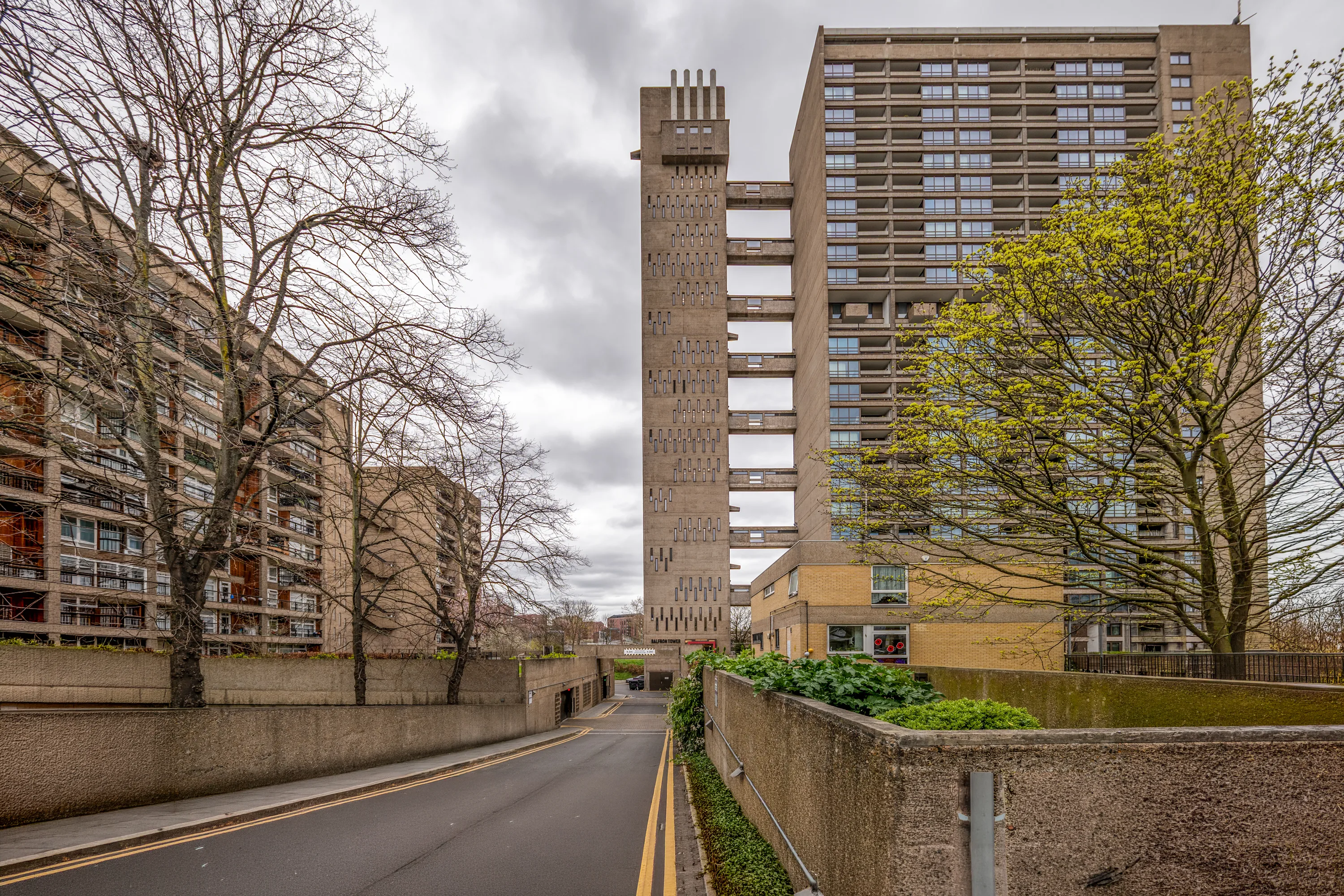
Another London brutalist tower by Erno Goldfinger, Balfron Tower was built between 1965 and 1967 a 26 storey block in a brutalist style, featuring 136 flats and 10 maisonettes. The lift shaft was designed in its own separate service tower, joined together by 8 walkways. Balfron Tower was designed as a social entity to re-house…
-
The Banksy Tunnel is the only spot in London where graffiti artists are tolerated to paint without a permit. The Banksy Tunnel, is a 300-metre graffiti-covered underpass beneath London’s Waterloo Station. Established in 2008 by Banksy during the “Cans” Festival, it is London’s largest legal, ever-evolving, and public street art gallery.
-
Trellick Tower is one of London’s most distinctive residential landmarks, rising 31 storeys above Kensal Town in West London. Designed by Hungarian-born British architect Ernő Goldfinger and completed in 1972, the tower is a celebrated example of Brutalist architecture. Its most striking feature is the separate service tower, containing lifts and utilities, connected to the…
-
The Kyoto Imperial Palace is a historic and serene complex in central Kyoto, once home to Japan’s emperors for over a thousand years. Set within the expansive Kyoto Gyoen National Garden, it features elegant ceremonial buildings, spacious gravel courtyards, and peaceful walking paths. The palace offers a quiet, reflective contrast to Kyoto’s bustling temples and…
-
The Barbican Centre is a major cultural venue in the heart of London, and one of the largest multi-arts centres in Europe. Opened in 1982, it forms part of the Barbican Estate, a striking example of Brutalist architecture built during the post-war redevelopment of the city. Its bold concrete design may feel imposing at first…
-
Posted from Vejle, Lille Grundet, Denmark. Fjordenhus is a landmark building located directly in Vejle Fjord, Denmark, designed by Icelandic-Danish artist Olafur Eliasson in collaboration with architect Sebastian Behmann of Studio Other Spaces.Completed in 2018, it serves as the headquarters of KIRK KAPITAL, while also functioning as a large-scale public artwork. The building is composed…
-
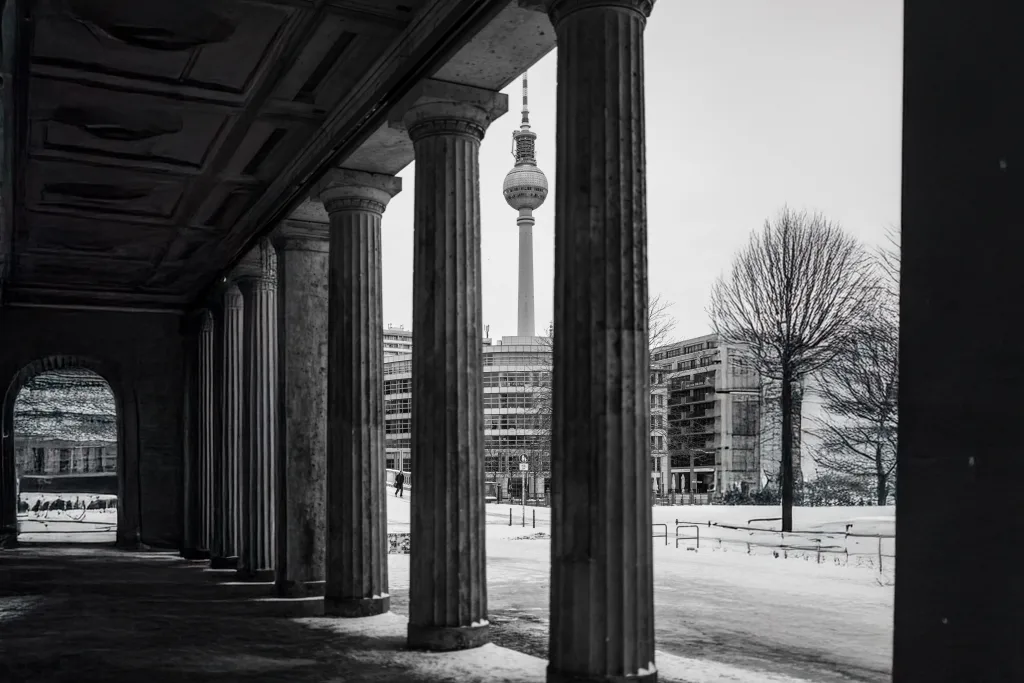
Posted from Berlin, Mitte, Germany. Berlin in the snow is a city caught mid-thought. The sky hangs low, undecided. Plattenbau balconies collect white covering the summers planters of flowers. A strassenbahn slides past the pedestrian carefully stepping on the ice. In Tiergarten all becomes a sea of white with only the bare trunks of trees…
-
Posted from Berlin, Mitte, Germany. I love when fog wraps a wintery Berlin in its chilling embrace
-
Posted from Eisenhüttenstadt, Schönfließ, Germany. Eisenhüttenstadt is a town in eastern Brandenburg, Germany, located on the Oder River near the Polish border. It was founded in 1950 and holds a unique place in German history as the country’s first fully planned socialist city. The town was built to support the nearby Eisenhüttenkombinat Ost, a major…
-
Posted from Reykjavik, Miðborg, Iceland. Hallgrímskirkja is a landmark Lutheran church in Reykjavík, Iceland, famous for its towering 74.5-meter steeple and striking expressionist design inspired by Iceland’s basalt lava formations. It was designed by Icelandic state architect Guðjón Samúelsson in 1937 and took over 40 years to complete, finishing in 1986. The church features a…
-
Posted from Tromsø, Nordbyen, Norway. Tromsø is a major city in Northern Norway, situated well above the Arctic Circle. Its location gives it a blend of dramatic landscapes, milder-than-expected temperatures, and distinctive seasonal light cycles. Surrounded by fjords and mountains, the city balances remote Arctic nature with vibrant urban life, thanks in part to its…
-
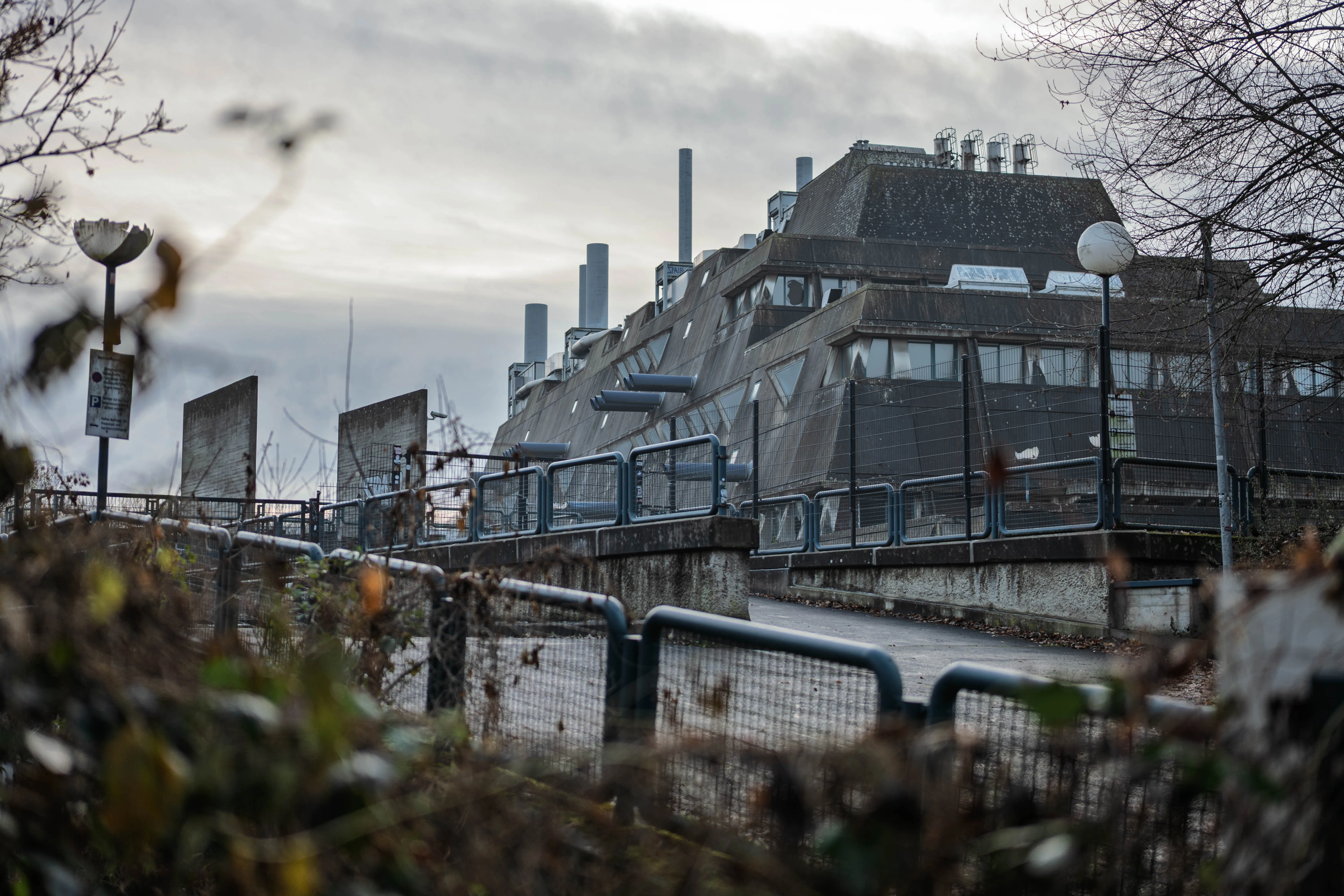
Posted from Berlin, Lichterfelde, Germany. The Mäusebunker, officially known as the Research Facility for Experimental Medicine, is a landmark brutalist building in Berlin. Designed by Gerd and Magdalena Hänska and built between 1971 and 1981, it originally served as a high-security animal research laboratory for the Free University of Berlin and later for the Charité.…
-
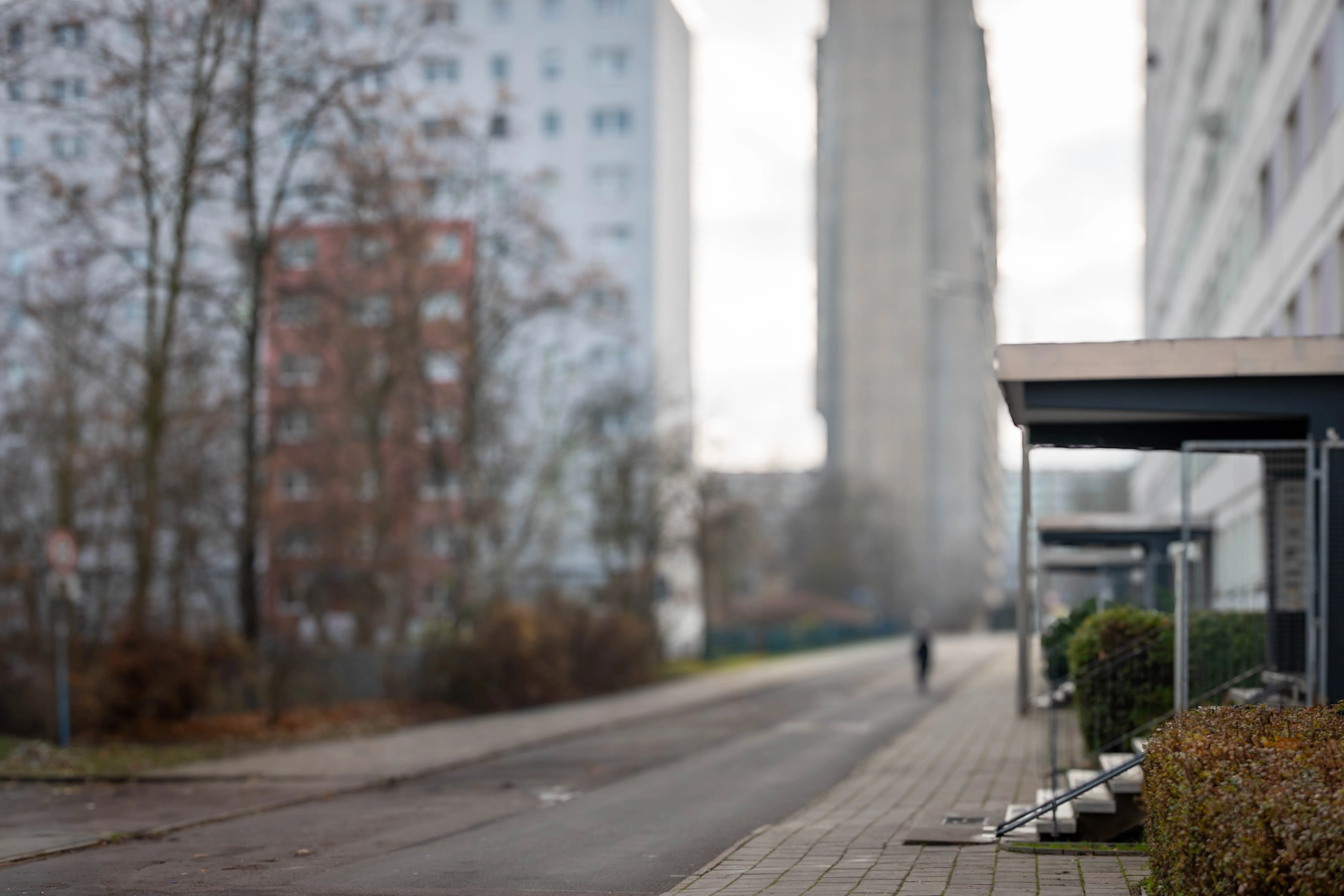
Posted from Halle (Saale), Halle-Neustadt, Germany. Halle-Neustadt (often called HaNeu) is a large socialist plannedhousing district in Halle (Saale), Germany. It was originally built asan entirely new city in the former East Germany (GDR) to house workersof the nearby chemical industry. Construction began in 1964, and in 1967 Halle-Neustadt officiallybecame an independent city. It was…
-
Posted from Berlin, Kreuzberg, Germany. The Prussian National Monument for the Wars of Liberation, designed by Karl Friedrich Schinkel and erected between 1818 and 1821 on the Kreuzberg hill in Berlin, is a 19-meter cast-iron Neo-Gothic spire commemorating the Wars of Liberation (1813–1815) against Napoleon. Adorned with twelve sculptural figures symbolizing key battles and patriotic…
-
Posted from Berlin, Prenzlauer Berg, Germany. The Ernst Thälmann Monument in Berlin is a massive bronze sculpture created by Soviet artist Lew Kerbel and unveiled in 1986 in the Ernst-Thälmann-Park in Prenzlauer Berg. Built as a GDR prestige project for Thälmann’s 100th birthday, it depicts the German communist leader with a raised fist, standing on…
-
Posted from Berlin, Mitte, Germany. Friedrichstraße is a historic and central north–south boulevard in Berlin, running about 3.5 km from Oranienburger Tor to Mehringplatz and known for its mix of shopping, culture, and Cold War history. Once a lively entertainment district filled with theaters and cafés, it later became a symbol of the city’s division,…
-
Posted from Stralsund, Altstadt, Germany. Stralsund is a historic Hanseatic city located in northeastern Germany on the Baltic Sea, in the state of Mecklenburg–Western Pomerania. Founded in the 13th century, it flourished as a major trading hub within the Hanseatic League, which shaped its distinctive brick Gothic architecture and rich maritime heritage. The city’s beautifully…
-
Posted from Berlin, Marzahn, Germany. Marzahn is a northeastern district of Berlin, known for its vast prefabricated housing estates built during the GDR era, now renovated and surrounded by green spaces. Once a model socialist suburb, it has evolved into a diverse residential area with a mix of families, artists, and international communities. The district’s…
-
Posted from Berlin, Friedrichsfelde, Germany. The Cemetery of the Socialists (Gedenkstätte der Sozialisten) is located within the Zentralfriedhof Friedrichsfelde in Berlin’s Lichtenberg district. Established in 1881 as a public cemetery, it became a symbolic burial ground for the socialist and workers’ movement after Wilhelm Liebknecht was interred there in 1900, followed by Karl Liebknecht and…
-
Posted from Leipzig, Stötteritz, Germany. The Monument to the Battle of the Nations (Völkerschlachtdenkmal) in Leipzig, Germany, commemorates the pivotal 1813 Battle of Leipzig, where Napoleon’s forces suffered a major defeat against a coalition of Russian, Prussian, Austrian, and Swedish armies. Completed in 1913 for the battle’s centenary, the 91-meter-tall structure is one of Europe’s…
-
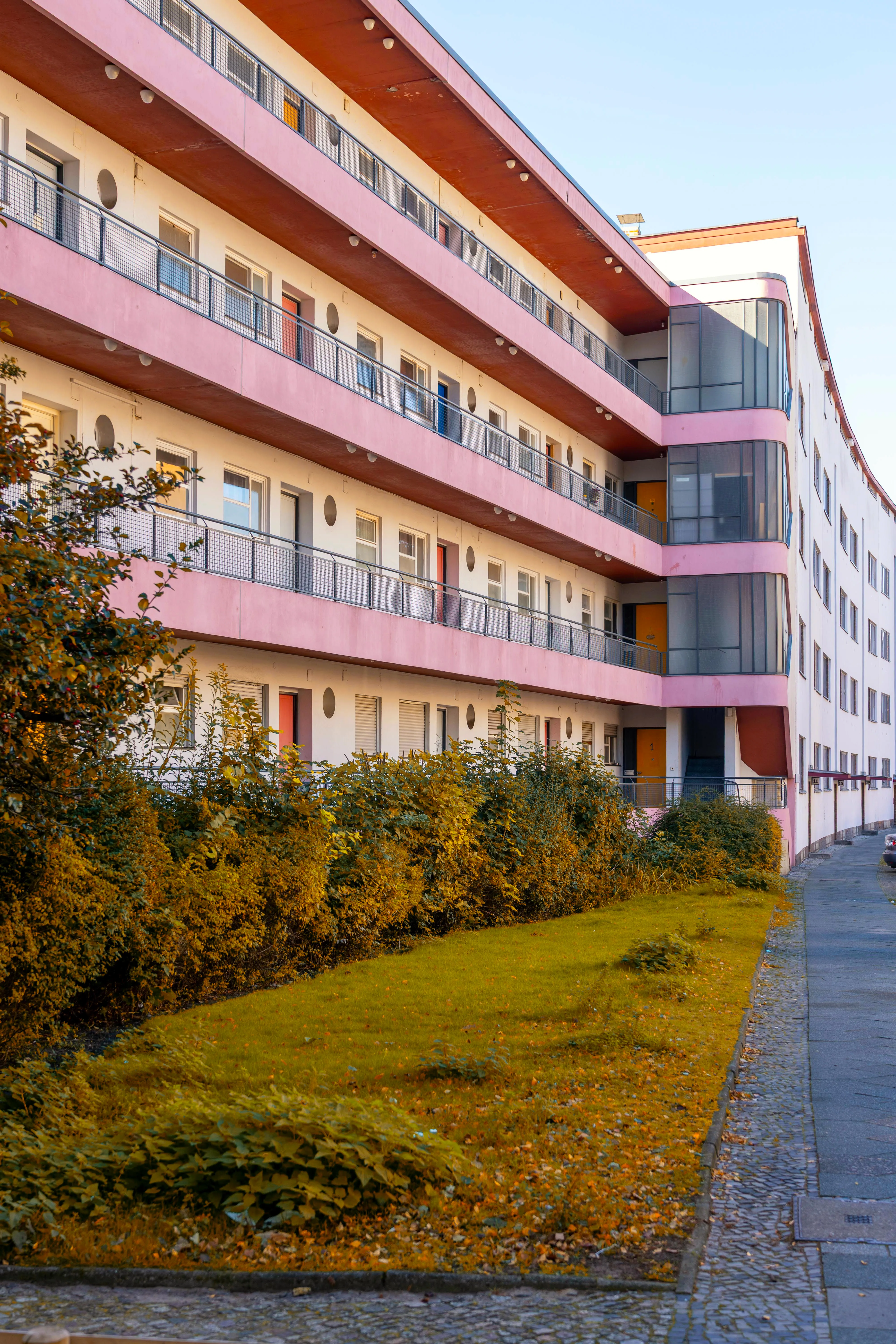
Posted from Berlin, Siemensstadt, Germany. Siemensstadt is a neighborhood in Berlin’s Spandau district, developed in the early 20th century when Siemens built factories and housing for its workers, effectively creating a “company town.” Its most famous feature is the Siemensstadt Housing Estate, a landmark of 1920s modernist architecture designed by figures such as Walter Gropius…
-
Posted from Dessau-Roßlau, Siedlung, Germany. The Bauhaus Dessau, designed by Walter Gropius and opened in 1926, is one of the most iconic landmarks of modernist architecture and a UNESCO World Heritage Site. Built when the Bauhaus school moved from Weimar to Dessau, it embodies the Bauhaus philosophy of uniting art, craft, and technology, with its…
-
Posted from Berlin, Wilmersdorf, Germany. The Kirche am Hohenzollernplatz, is a Berlin Brick Expressionist landmark designed by Fritz Höger between 1930 and 1933, known for its stark architecture and dramatic use of light. Nicknamed ‘God’s Power Station” (Kraftwerk Gottes) due to its stark exterior
-
Posted from Brighton, Round Hill, United Kingdom. Brighton, located on the south coast of England in East Sussex, is one of the UK’s most vibrant, creative, and culturally diverse seaside cities. It’s known for its pebbled beach, iconic pier, independent shops, and a thriving arts and music scene
-
Posted from London, Bloomsbury, United Kingdom. Denmark Street, London — also famously known as “Tin Pan Alley” — is a historic and culturally rich street in central London, with deep ties to British music history.
-
Posted from Bath, Sion Hill, United Kingdom. The Royal Crescent is a sweeping arc of 30 terraced Georgian houses overlooking Royal Victoria Park, built between 1767 and 1775 by architect John Wood the Younger.
-
Posted from Berlin, Mitte, Germany.